Choosing a new roof is a major decision for any homeowner. Two of the most common options are asphalt shingles and tile roofing, and each has its own advantages. The right choice depends on factors such as your budget, home design, expected lifespan, maintenance needs, and local weather conditions.
If you’re planning a roof replacement or building a new home, understanding the differences between asphalt shingles and tile can help you make a more informed decision.
Asphalt Shingles vs. Tile Roofing at a Glance
| Feature | Asphalt Shingles | Tile Roofing |
|---|---|---|
| Initial Cost | Generally lower | Generally higher |
| Installation | Usually simpler and faster | More specialized |
| Weight | Relatively lightweight | Heavier |
| Lifespan | Often 15–30 years, depending on type and conditions | Often 40–75+ years, depending on material and maintenance |
| Maintenance | Relatively simple | Can require specialized care |
| Style Options | Many colors and styles | Clay, concrete, and various profiles |
| Durability | Good durability | Excellent durability when properly installed |
| Roof Structure | Usually suitable for standard residential construction | May require structural evaluation because of added weight |
These are general comparisons. Actual performance and lifespan depend on the roofing material, installation quality, ventilation, weather exposure, maintenance, and the condition of the underlying roof system.
What Are Asphalt Shingles?
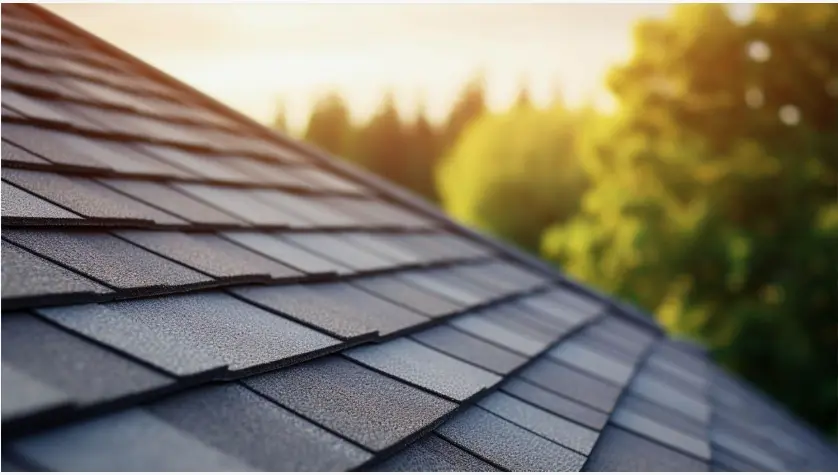
Asphalt shingles are one of the most widely used residential roofing materials. They are made with a fiberglass or organic base coated with asphalt and mineral granules.
Modern asphalt shingles are available in several styles, including traditional three-tab shingles and architectural shingles. They also come in a wide range of colors, making it easier to match the roof with the exterior of your home.
Advantages of Asphalt Shingles
Lower upfront cost: Asphalt shingles generally cost less to purchase and install than tile roofing.
Wide range of styles: Homeowners can choose from many colors, textures, and designs.
Simpler installation: Asphalt shingles are relatively straightforward for experienced roofing contractors to install.
Easier repairs: Individual damaged shingles can often be replaced without disturbing a large portion of the roof.
Lightweight: Asphalt shingles typically place less weight on the home’s structure than tile.
For homeowners looking for a practical roofing option with a lower initial investment, asphalt shingles can be a strong choice.
What Is Tile Roofing?
Tile roofing can be made from materials such as clay or concrete. Tile roofs are known for their distinctive appearance and long service life.
Tile can give a home a Mediterranean, Spanish, Southwestern, or other architectural appearance depending on the tile profile and design.
Advantages of Tile Roofing
Long service life: Properly installed and maintained tile roofs can last for several decades.
Durability: Tile is resistant to many common forms of weather exposure and does not deteriorate in the same way as some other roofing materials.
Distinctive appearance: Tile can add a substantial architectural element to a home’s exterior.
Low water absorption for certain tile types: Some tile materials are naturally resistant to moisture, although the complete roof system still needs proper installation and maintenance.
Potential long-term value: Although tile generally costs more initially, its long service life can make it attractive to homeowners planning to stay in their home for many years.
Which Costs More: Asphalt Shingles or Tile?
In most cases, tile roofing has a higher upfront cost than asphalt shingles.
The total cost of a roofing project depends on more than the material itself. Other factors can include:
- Roof size
- Roof pitch and complexity
- Existing roofing removal
- Underlayment requirements
- Flashing
- Decking repairs
- Ventilation
- Labor
- Structural considerations
- Type and quality of roofing material
Tile can also require additional evaluation because of its weight. Before installing a tile roof, a roofing professional should determine whether the existing structure is suitable for the material.
A lower initial price does not necessarily mean lower overall cost over the entire life of the roof. Homeowners should consider both the upfront investment and expected service life.
Which Roofing Material Lasts Longer?
Tile generally has the advantage when it comes to potential lifespan.
A properly installed tile roof can last for decades, and some tile roofing systems can remain functional for 50 years or longer with appropriate maintenance.
Asphalt shingles generally have a shorter service life. However, the lifespan varies significantly based on the type of shingle, installation, ventilation, weather exposure, and maintenance.
This is why homeowners should look beyond a material’s advertised lifespan and consider the conditions surrounding their particular home.
Which Is Better for Southern California Homes?
There isn’t one roofing material that is automatically right for every Southern California home.
Climate, neighborhood, architectural style, roof design, budget, and structural requirements all matter.
Southern California homes can experience significant sun exposure, seasonal rain, wind, and temperature changes. A roofing system needs to be properly installed and maintained to handle these conditions.
Tile can be an attractive option for homeowners who want a long-lasting roofing system and a particular architectural appearance. Asphalt shingles may be a better fit for homeowners who want a more budget-conscious option with straightforward installation and repair.
A local roofing professional can evaluate the existing roof and explain which materials are appropriate for the home.
Asphalt Shingles or Tile: Which Is Easier to Repair?
Asphalt shingles are generally easier to repair.
If individual shingles are damaged, a roofer can often remove and replace the affected shingles without replacing the entire roof section.
Tile roofs can also be repaired, but cracked or broken tiles need to be handled carefully. Walking directly on tile can cause additional damage if it is not done properly.
With either material, the visible roofing material may not be the only problem. Water can sometimes enter through damaged flashing, underlayment, roof penetrations, or other parts of the roofing system.
That’s why a proper roof inspection is important when you notice a leak or visible damage.
Which Requires More Maintenance?
Both asphalt shingle and tile roofs benefit from regular inspection and maintenance.
For an asphalt shingle roof, maintenance may include checking for:
- Missing or damaged shingles
- Cracked or deteriorated shingles
- Damaged flashing
- Granule loss
- Signs of water intrusion
- Blocked or damaged roof vents
For a tile roof, inspections may include checking for:
- Cracked or broken tiles
- Damaged flashing
- Underlayment issues
- Loose tiles
- Debris buildup
- Signs of moisture intrusion
Regular inspections can help identify smaller problems before they develop into more expensive roof damage.
Does Tile Roofing Weigh More Than Asphalt Shingles?
Yes. Tile roofing is considerably heavier than asphalt shingles.
This is one of the most important differences to consider when switching from an existing asphalt roof to tile.
The home’s roof structure needs to be capable of supporting the additional weight. A qualified roofing professional can evaluate the existing structure and determine whether modifications or additional structural work may be needed.
Never assume that an existing asphalt-shingle roof can automatically be replaced with tile without an evaluation.
Which Looks Better?
This comes down to personal preference and the architectural style of the home.
Asphalt shingles offer a versatile appearance and are available in many colors and profiles. Architectural shingles can also create a dimensional appearance that resembles more premium roofing materials.
Tile has a distinctive appearance and can complement homes with Spanish, Mediterranean, Southwestern, and other architectural styles.
The best choice is the one that works with both the home’s design and the homeowner’s practical requirements.
Can You Replace an Asphalt Roof With Tile?
Potentially, but it requires more than simply choosing a different roofing material.
Tile is heavier than asphalt shingles, so the roof structure should be evaluated before installation. The roof’s pitch, decking, underlayment, flashing, ventilation, and overall condition also need to be considered.
A professional roofing contractor can inspect the existing roof and determine whether tile is an appropriate option.
How Do You Choose Between Asphalt Shingles and Tile?
Before making a decision, consider these questions:
What Is Your Budget?
If keeping the initial project cost lower is important, asphalt shingles may be worth considering.
How Long Do You Plan to Stay in the Home?
If you’re planning to stay in the property for many years, the longer potential lifespan of tile may be an important factor.
What Does Your Home’s Structure Support?
Tile is heavier, so structural considerations are essential.
What Style Fits Your Home?
Consider the home’s architecture, exterior materials, neighborhood appearance, and your preferred roof design.
How Much Maintenance Are You Comfortable With?
Both materials need maintenance, but the type of maintenance can differ.
What Is the Condition of Your Existing Roof?
If the current roof has extensive damage, the best solution may involve more than replacing the visible roofing material. An inspection can help determine whether the roof needs repairs or a complete replacement.
Asphalt Shingles vs. Tile Roofing: Which One Should You Choose?
There is no universal answer.
Asphalt shingles may be a practical option if you want a lower initial investment, a wide selection of styles, relatively simple installation, and easier repairs.
Tile roofing may be worth considering if you want a distinctive appearance, a potentially longer service life, and a roofing system suited to your home’s structure and design.
The right choice depends on your home, budget, roof structure, and long-term plans.
Get Your Roof Evaluated by Ichiban Roofing
If you’re unsure whether asphalt shingles or tile roofing is right for your home, start with a professional roof evaluation.
Ichiban Roofing provides residential and commercial roof installation, roof replacement, roof repair, roof inspections, asphalt shingle roofing, tile and slate roofing, and roof maintenance in Torrance and surrounding Southern California communities.
A professional inspection can help identify the condition of your current roof, explain your available options, and determine what type of roofing system is appropriate for your property.
Contact Ichiban Roofing at 323-295-4400 to discuss your roofing project.